
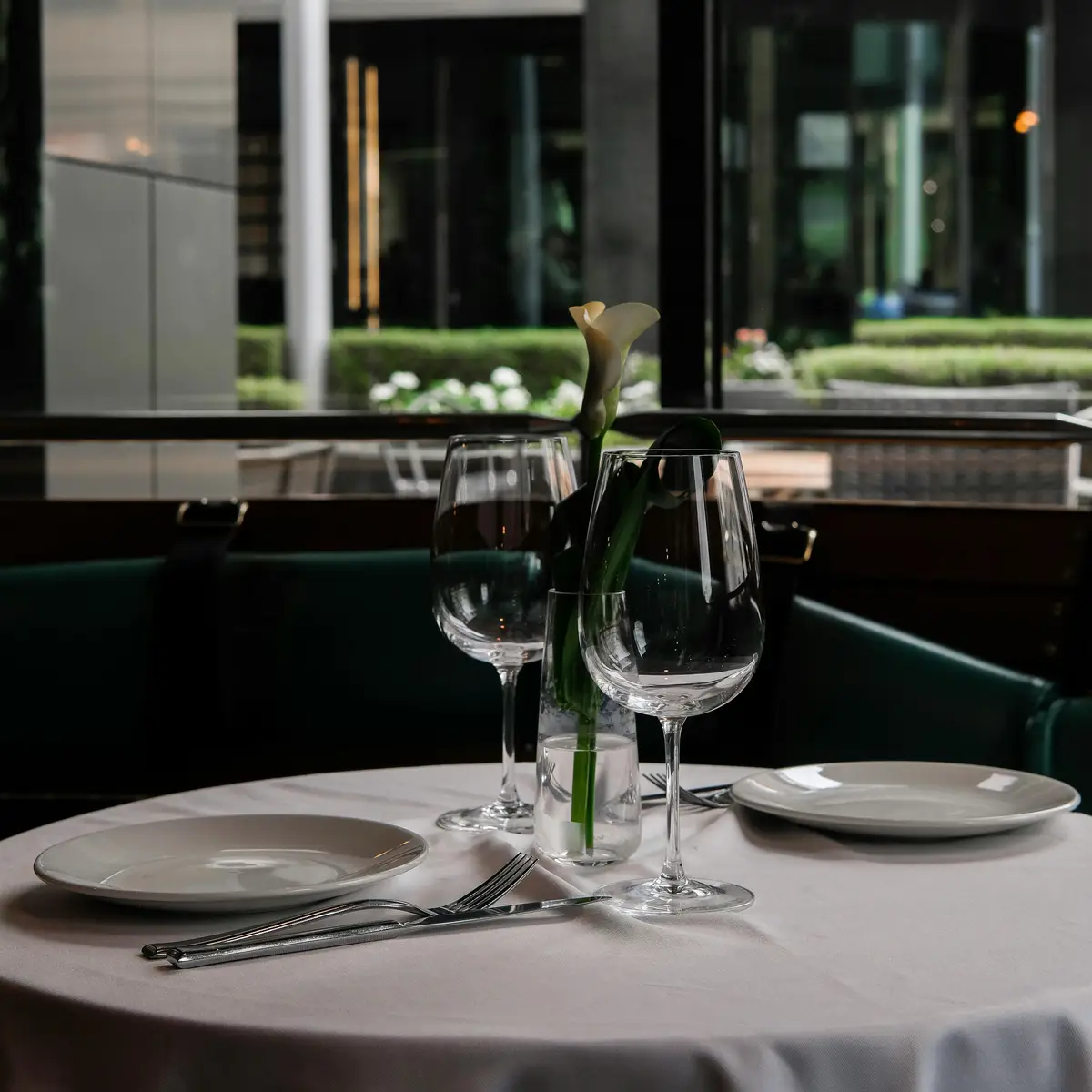
In hospitality, light changes everything. The difference between a restaurant that creates a memorable experience and one that simply serves good food can come down, to a large extent, to how it manages its lighting. It's not about having pretty lights: it's about having the right light at the right moment, without anyone having to remember to change it by hand. That's exactly what smart lighting makes possible.
Why light matters more than you think
Consumer behaviour studies in hospitality have shown that lighting has a direct influence on how long customers stay, how much they spend and how they rate the food. Bright, cold light during an intimate dinner service comes across as unwelcoming and rushes the experience. Warm light dimmed to a low level invites people to linger, talk and order another dessert.
The problem is that most restaurants have a single lighting setting for the whole day: the same light for Sunday brunch as for the Valentine's Day dinner. With smart automation, every moment of the day has its own atmosphere, programmed in advance and triggered with no human intervention.
Lighting scenes: a profile for every moment
A good smart lighting installation in a restaurant defines at least four or five different scenes, which are triggered automatically according to the schedule or manually from a tablet at the bar:
- Opening and cleaning: bright white light at 100% throughout the dining room so the team can work in good light and get ready for service.
- Lunch service: warm light at 70–80%, bright enough to read the menu comfortably but without the coldness of an office.
- Dinner service: dimmed to 40–55% with a warmer colour temperature (2,700–3,000 K), turning the dining room into an intimate space without touching a single switch.
- A terrace or outdoor area with its own control and dimming based on daylight, so it's never too dark at dusk or too bright at midday.
- Closing, with an automatic sequence that switches zones off one by one, starting with the dining room and finishing with the kitchen and storeroom.
Zone control: dining room, bar, kitchen and terrace
A restaurant isn't a uniform space. The kitchen needs bright white light for food safety. The bar can have more dynamic, eye-catching lighting. The toilets should have light whenever they're in use and switch off automatically. The dining room can be divided into zones with different atmospheres — a more intimate area at the back, a more sociable one by the bar — each managed independently.
Zone control with DALI (the standard protocol for dimmable lighting) or Zigbee lets you manage each light fitting or group of fittings individually from a single interface. The floor manager can adjust any zone from their phone or from a touchscreen at the entrance.
Energy savings without sacrificing atmosphere
Smart dimming doesn't just improve the experience: it also cuts electricity consumption significantly. A restaurant that dims its lighting to 50–60% during dinner service instead of running it at 100% all day can save between 35% and 50% on its lighting bill.
- Presence sensors in the toilets, storeroom and kitchen that switch the lights off when nobody's there.
- Daylight sensors in areas with windows that adjust the artificial light according to how much comes in from outside.
- Scheduling that automatically switches off terraces and outdoor signage at closing time.
- Consumption reports by zone to identify where you can optimise further.
The same logic — schedules, presence and a closing routine that switches everything off when the last person leaves — is what we apply outside hospitality, too. We go through it step by step in the office that switches itself off after hours.
Integration with music and climate control
The customer experience in a restaurant is multisensory. Smart lighting can be integrated with the music system so that, when the “romantic dinner” scene is activated, the music volume also goes down, the playlist changes and the dining room temperature is adjusted. All with a single tap, or completely automatically according to the schedule.
Restaurants that have introduced automated lighting scenes consistently report that their online reviews improve on everything to do with “ambience” and “atmosphere”.
How do you start automating your restaurant?
The starting point is an audit of the space: how many zones the premises have, what kind of light fittings are installed, whether they're dimmable or need replacing, and which scenes are the priority for the business. In most cases, the installation can be done without closing, or with minimal closures outside service hours.
At 2SmartHome we've automated the lighting in restaurants, bars and hotels in Barcelona. We know the ins and outs of the sector and design solutions your team can operate with total ease from day one, with no technical knowledge needed. Tell us about your venue and we'll put together a tailored proposal.